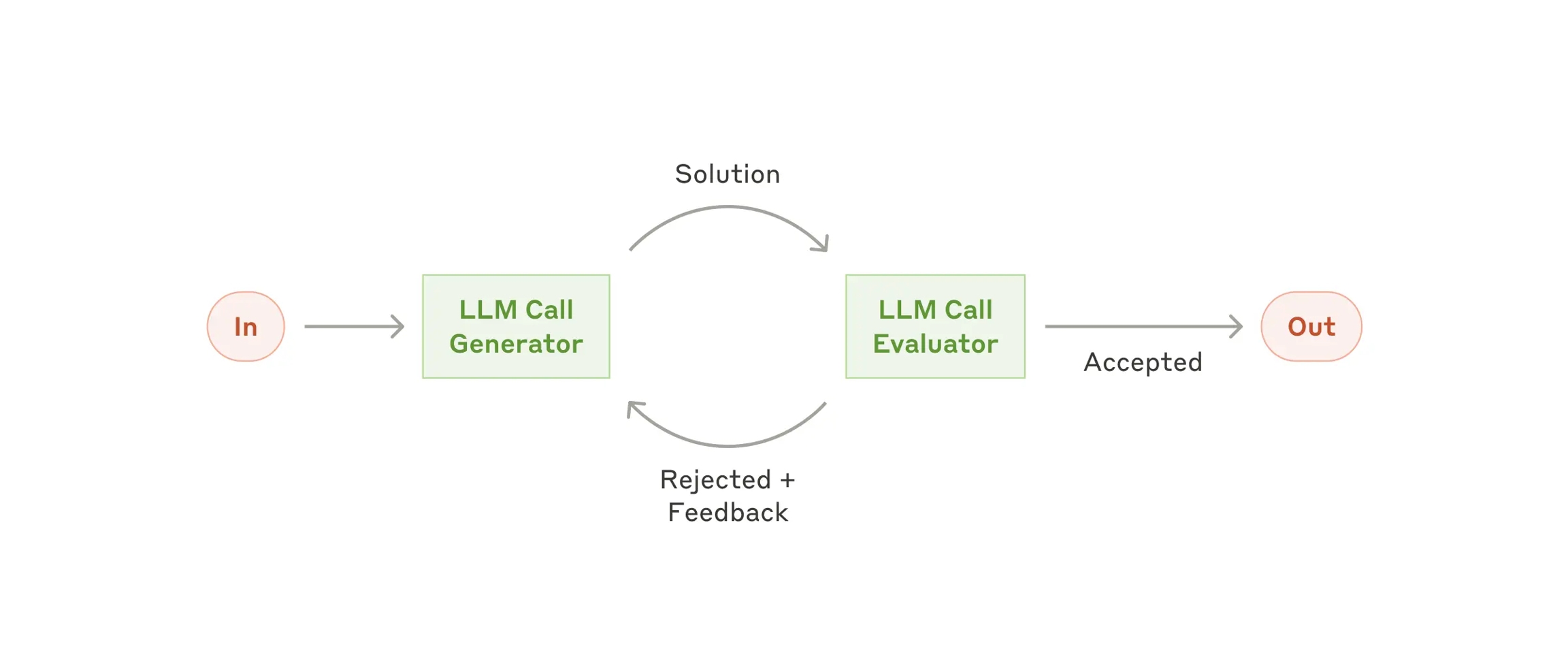

How do you evaluate an AI Agent?
An agent is characterized by what it knows about the world, the set of actions it can perform, and the pathway it took to get there. To evaluate an agent, we must evaluate each of these components. We’ve built evaluation templates for every step: You can evaluate the individual skills and response using normal LLM evaluation strategies, such as Retrieval Evaluation, Classification with LLM Judges, Hallucination, or Q&A Correctness. Read more to see the breakdown of each component.How to Evaluate an Agent Router
Routers are one of the most common components of agents. While not every agent has a specific router node, function, or step, all agents have some method that chooses the next step to take. Routers and routing logic can be powered by intent classifiers, rules-based code, or most often, LLMs that use function calling.
- Whether the router chose the correct next step to take, or function to call.
- Whether the router extracted the correct parameters to pass on to that next step.
- Whether the router properly handles edge cases, such as missing context, missing parameters, or cases where multiple functions should be called concurrently.
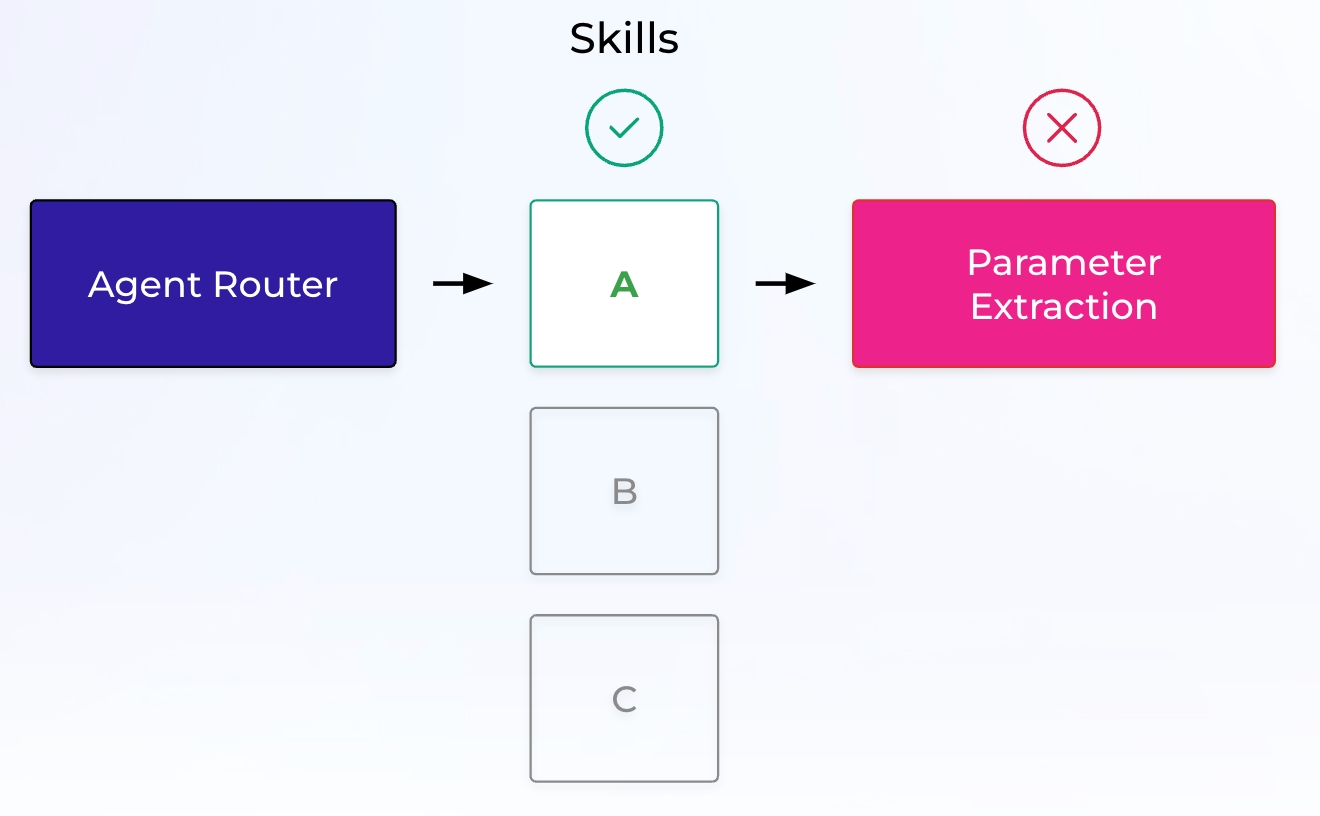
Example of Router Evaluation:
Take a travel agent router for example.-
User Input:
Help me find a flight from SF on 5/15 -
Router function call:
flight-search(date="5/15", departure_city="SF", destination_city="")
| Eval | Result |
|---|---|
| Function choice | ✅ |
| Parameter extraction | ❌ |
How to Evaluate Agent Planning
For more complex agents, it may be necessary to first have the agent plan out its intended path ahead of time. This approach can help avoid unnecessary tool calls, or endless repeating loops as the agent bounces between the same steps. For agents that use this approach, a common evaluation metric is the quality of the plan generated by the agent. This “quality” metric can either take the form of a single overall evaluation, or a set of smaller ones, but either way, should answer:- Does the plan include only skills that are valid?
- Are Z skills sufficient to accomplish this task?
- Will Y plan accomplish this task given Z skills?
- Is this the shortest plan to accomplish this task?
How to Evaluate Agent Skills
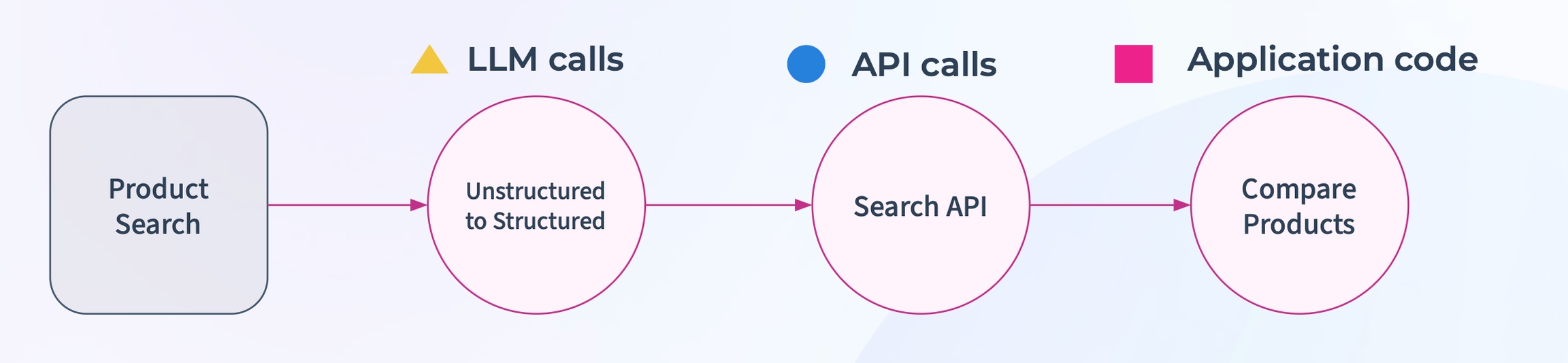
- Retrieval Relevance and Hallucination for RAG skills
- Code Generation
- SQL Generation
- Toxicity and User Frustration
How to Evaluate an Agent’s Path

You may be wondering why an agent’s path matters. Why not just look at the final output to evaluate the agent’s performance? The answer is efficiency. Could the agent have gotten the same answer with half as many LLM calls? When each step increases your cost of operation, path efficiency matters!
- Did the agent go off the rails and onto the wrong pathway?
- Does it get stuck in an infinite loop?
- Does it choose the right sequence of steps to take given a whole agent pathway for a single action?
How to Evaluate Agent Reflection
Reflection allows you to evaluate your agents at runtime to enhance their quality. Before declaring a task complete, a plan devised, or an answer generated, ask the agent to reflect on the outcome. If the task isn’t accomplished to the standard you want, retry. See our Agent Reflection evaluation template for a more specific example.